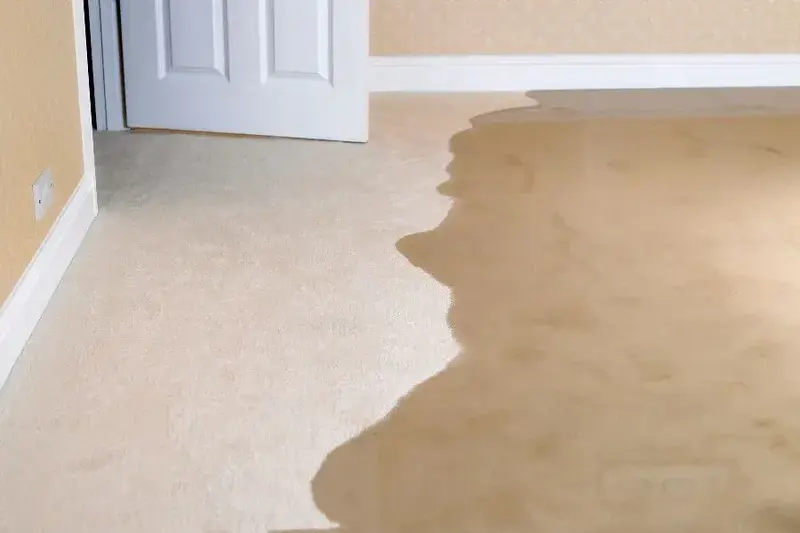
Why slab leaks show up in Antioch
Many Antioch homes, townhomes and ground-floor apartment units sit on concrete slabs over the clay and limestone of the Nashville Basin. Supply and drain lines run through or under that slab. Over decades, shifting clay, hard water and aging copper or cast iron can open a leak that no one sees, because the water spreads under the flooring instead of pooling where it can be noticed.
- Carpet that stays damp in one area with no spill
- Warm spots on tile from a hot water line leak
- Cupping hardwood or lifting vinyl plank
- A water bill higher than usual with nothing running
How the water side gets handled
A plumber finds and repairs the leak, often by rerouting the line. The restoration team handles everything the water already reached. The tech who does the walkthrough maps moisture across the floor and up the walls, because slab water wicks into bottom plates and drywall. Carpet pad over the wet area usually comes out; carpet can often be dried and relaid.
Concrete gives up water slowly. The drying team uses air movers across the slab surface, LGR dehumidifiers and, for stubborn slabs under hardwood or tile, desiccant dehumidifiers that pull moisture from dense material. Readings go into the log daily until the slab and walls reach the goal, so new flooring does not go down over a wet slab.
More reading
The EPA WaterSense leak page explains how to check a meter for hidden leaks. For water that came from a supply line inside a wall instead, see burst pipe cleanup, and the EPA mold page covers why hidden moisture matters.